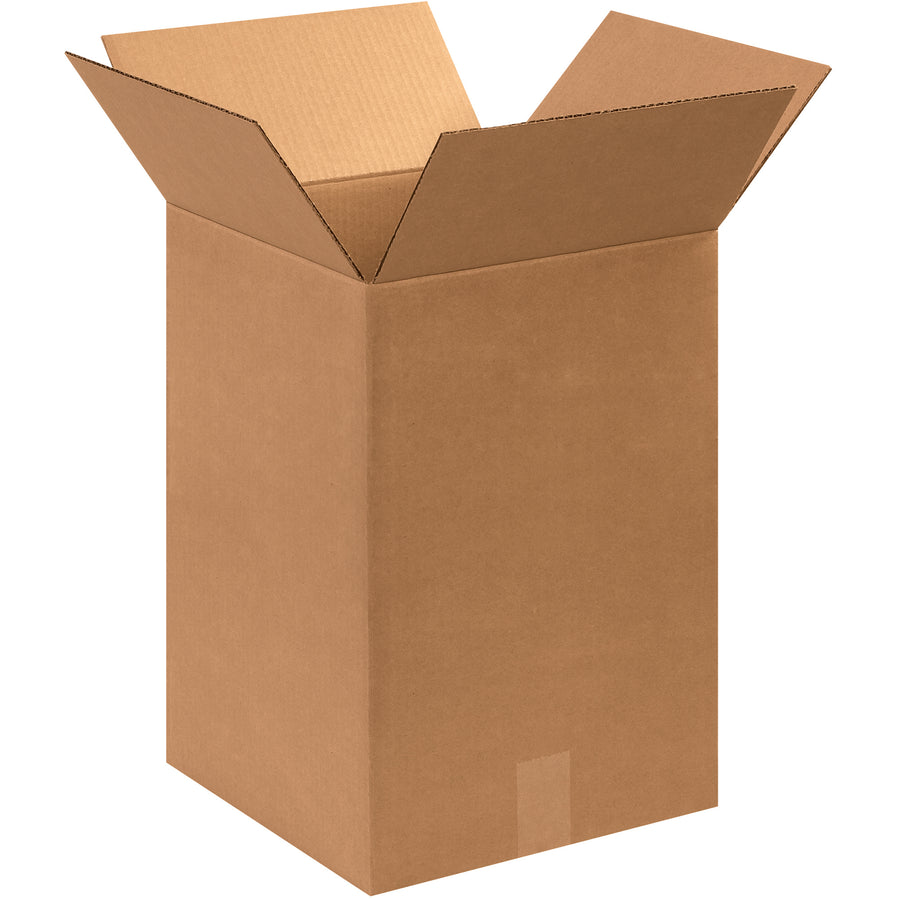
12 x 12 x 18 Boxes

12 x 12 x 18 Boxes

Direct answer: choose 12 x 12 x 18 boxes when the protected item needs a square 12 inch footprint and about an 18 inch side after cushioning, paperwork, labels, and closure. Compare shorter square boxes, rotated 18 x 12 x 12 orientation, multi-depth routes, and stronger wall routes before standardizing.

12 x 12 x 18 Box Selection Formula

Correct route = protected item dimensions + 12 x 12 footprint fit + 18 inch side orientation + strength requirement + cube and reorder constraint.

A 12 x 12 x 18 carton can solve tall square-base shipments, but it can also create unnecessary cube when the item works in 12 x 12 x 16, 12 x 12 x 15, 12 x 12 x 12, 10 x 12 x 18, or a rotated 18 x 12 x 12 route.

12 x 12 x 18 Fit and Cube Model

Model this carton as a full pack-out. The operating decision includes product protection, cushioning, tape, label surface, closure, storage cube, pack labor, damage risk, dimensional weight, and replenishment timing.

  • Use the 12 x 12 base when the item needs a stable square footprint.
  • Compare shorter square boxes when the 18 inch side creates avoidable cube.
  • Compare a rotated 18 x 12 x 12 path when horizontal loading improves handling.
  • Compare multi-depth routes when one footprint must cover several approved packed heights.
  • Compare stronger wall routes when density, stacking, return handling, or breakage risk increases.

12 x 12 x 18 Box Use Cases

Use case Operating route Risk to avoid
Tall product with square base Use the 12 x 12 footprint when the protected item needs a stable square base and the 18 inch side is truly required. The carton can create avoidable cube if the item also fits 12 x 12 x 15 or 12 x 12 x 16 after cushioning.
Rotated orientation Compare 18 x 12 x 12 when horizontal loading, label placement, or unloading works better with the 18 inch side as length. Treating dimensions as interchangeable can cause bad opening direction, awkward labels, or poor pack-station flow.
Variable item heights Compare multi-depth 12 x 12 x 18 routes when the same footprint needs several approved packed heights. One fixed-height carton can hide void-fill waste and higher dimensional-weight pressure.
Heavier or stacked cartons Compare stronger wall routes when packed weight, stacking, returns, or rough handling raises damage risk. A routine carton may pass a desk check but fail in repeated stacking, returns, or freight-adjacent handling.
Repeat warehouse replenishment Document approved size, orientation, strength, substitute, monthly demand, and reorder owner before standardizing. Teams drift between exact sizes when the pack-out and substitute rule are not written down.

12 x 12 x 18 Box Decision Matrix

Buyer question Decision rule
Does the item need a true 12 x 12 base? Use this route when the protected item needs the square footprint after cushioning, inserts, and closure allowance.
Does the item need the full 18 inch side? Compare 12 x 12 x 15 or 12 x 12 x 16 when shorter square boxes still protect the item with less cube.
Should the box be upright or rotated? Compare 18 x 12 x 12 when loading, labeling, stacking, or unloading works better with the 18 inch side as length.
Is standard corrugated strength enough? Compare stronger wall routes when packed weight, stacking, returns, or rough handling raises damage risk.
Will this repeat across teams? Use reorder or bulk quote paths after approved route, substitute, monthly demand, destination, timing, and owner are documented.

12 x 12 x 18 Route Checks

Use these as inspection paths, not as live price, stock, or exact-substitute claims. Confirm current product details on the destination route or quote response before ordering.

SKU path Inspection route Use it when...
121218 12 x 12 x 18 ECT-32 kraft corrugated box route Primary inspection path when the buyer needs a square 12 inch base, an 18 inch side, and routine corrugated shipping strength.
MD121218 12 x 12 x 18 multi-depth corrugated box route Use when the same 12 x 12 footprint needs adjustable packed heights across related products, kits, or seasonal pack-outs.
DW121218 12 x 12 x 18 ECT-48 double-wall box route Compare when packed weight, stacking, returns, or rougher handling may require a stronger carton path.
181212 18 x 12 x 12 ECT-32 orientation route Compare when the same dimension family works better with the 18 inch side as length instead of height.
MD181212 18 x 12 x 12 multi-depth orientation route Compare when a rotated orientation plus adjustable depth reduces cut-downs or avoidable empty space.
HD181212 18 x 12 x 12 ECT-44 heavy-duty orientation route Compare when the rotated carton needs stronger handling, stacking, or repeat-shipment protection.

Packrift 12 x 12 x 18 Planning Paths

Path Use it when...
12 x 12 x 18 boxes in bulk Use when the exact size is approved and the buyer needs a repeat, facility, or replenishment buying path.
12 x 12 x 18 kraft boxes Use when kraft presentation, standard corrugated fit, and nearby 18 x 12 x 12 orientation paths need more context.
12 x 12 x 16 boxes Use when the 12 x 12 footprint is right but the 18 inch side may create excess cube.
12 x 12 x 15 boxes Use when a shorter square carton still protects the product after cushioning and closure.
12 x 12 x 12 boxes Use when a cube route may protect the item with less height and less dimensional-weight pressure.
12 x 12 x 24 boxes Use when the same square footprint is right but the packed item genuinely needs a taller side.
10 x 12 x 18 boxes Use when one side can tighten from 12 inches to 10 inches without adding damage or pack-time risk.
18 x 12 x 12 boxes Use when the same dimensions work better with the 18 inch side as length for loading, labeling, or stacking.
Box size calculator Use when item dimensions are known and nearby carton families should be compared before standardizing.
Box size finder Use when the product almost fits but the buyer needs adjacent sizes before choosing a recurring carton.
Box sizes by dimension Use when the buyer wants a dimension-led route across corrugated box families.
Corrugated box size chart Use when the exact box should be checked against standard carton-size and strength planning.
How to measure a box for shipping Use when the team needs a measurement rule before comparing product size, inside dimensions, and closure room.
DIM weight for 12 x 12 x 18 box Use when carrier billable-weight pressure matters for a light item in this carton size.
Dimensional weight divisor reference Use when the team needs to compare carton cube against carrier divisor assumptions.
Corrugated boxes collection Use when the buyer wants the live corrugated category before inspecting a specific route.
Exact spec procurement center Use when size, strength, route, substitute, destination, and owner need to be documented before a repeat buy.
Reorder packaging by SKU Use after the approved box route, substitute, monthly demand, destination, timing, and reorder owner are documented.
Bulk quote Use when 12 x 12 x 18 boxes repeat, span facilities, or need a reviewed substitute route.

Reorder and Bulk Quote Workflow

  1. Measure the protected item after cushioning, inserts, paperwork, labels, and closure allowance.
  2. Confirm whether the 18 inch side is acting as height, length, or a rotated orientation.
  3. Compare shorter, narrower, multi-depth, and stronger routes before standardizing.
  4. Check cube, dimensional weight, storage, pack labor, damage risk, return handling, and replenishment timing.
  5. Record approved route, substitute, monthly demand, destination, timing, and reorder owner.
  6. Use the reorder or bulk quote path once the route is approved for repeat buying.

Related Packrift Paths

FAQ

What are 12 x 12 x 18 boxes used for?

Use 12 x 12 x 18 boxes when the protected item needs a square 12 inch footprint and about an 18 inch side after cushioning, paperwork, labels, and closure are included.

Should I choose 12 x 12 x 18 or 18 x 12 x 12 boxes?

Those dimensions can describe the same size family in different orientations. Choose the orientation that protects the product, fits the pack-station workflow, and supports label placement and stacking.

When should I compare 12 x 12 x 16 or 12 x 12 x 15 boxes?

Compare shorter square boxes when the 18 inch side creates avoidable empty space and the packed item still has enough protection and closure room.

When should I compare multi-depth 12 x 12 x 18 boxes?

Compare multi-depth routes when one 12 x 12 footprint needs several approved packed heights, or when reducing empty space matters more than keeping one fixed-height carton.

When should I request a bulk quote?

Use a bulk quote when this box repeats monthly, supports several facilities, needs substitute rules, or is part of a mixed-size replenishment plan.