12 x 12 x 24 Boxes in Bulk

12 x 12 x 24 Boxes in Bulk

Direct answer: choose a 12 x 12 x 24 box route in bulk by confirming the protected item size, square 12 inch footprint, 24 inch side orientation, ECT strength, multi-depth needs, cube impact, and repeat-buying workflow. The verified 121224 route is the first path to inspect when the job needs a tall end-load carton with a 12 x 12 footprint.

12 x 12 x 24 Bulk Box Selection Formula

Correct route = protected item dimensions + 12 x 12 footprint fit + 24 inch side orientation + strength requirement + bulk reorder constraint.

A 12x12x24 box can solve tall square-base shipments, but it can also create unnecessary cube if the item works better in a rotated 24 x 12 x 12 route, a stronger-wall route, or a nearby size family.

12 x 12 x 24 Bulk Fit and Cube Model

  • Footprint fit: confirm the protected item sits cleanly in a 12 x 12 base without forcing corners, panels, or closure.
  • 24 inch side: decide whether the long side acts as height, length, or a rotated orientation in the pack station.
  • Cube control: compare empty space, dimensional weight, storage cube, pack labor, and damage risk before standardizing.
  • Strength route: compare ECT-32, ECT-44, wall construction, packed weight, stacking time, and return exposure separately from size.
  • Repeatability: document route, substitute size, monthly demand, destination, quote timing, and reorder owner.

12 x 12 x 24 Bulk Route Checks

Decision point Use this route when... Compare another route when...
12 inch footprint The protected item needs a square 12 x 12 base after cushioning, labels, and closure clearance. One side can tighten or widen without raising damage, pack-time, or handling risk.
24 inch side The shipment needs the full 24 inch side for height or length after the finished pack-out is measured. A shorter, wider, or rotated family reduces cube while still protecting the item.
Orientation Upright loading with a 12 x 12 base protects the product and fits the warehouse flow. A 24 x 12 x 12 path improves loading, labeling, stacking, or unloading.
Strength Standard corrugated strength matches packed weight, stacking, and handling exposure. Heavy-duty or alternate routes may be needed for dense, fragile, stacked, or returned items.
Bulk repeatability The same carton repeats enough to document route, substitute, monthly demand, and reorder owner. The order is still a mixed-size test or needs a reviewed replenishment quote.

12 x 12 x 24 Bulk Box Decision Matrix

Buying question Decision rule
Is the item tall, long, or simply loose? Choose 12 x 12 x 24 when the finished item needs the 24 inch side; compare rotated or adjacent paths when extra cube is avoidable.
Does the route need stronger construction? Compare stronger routes when density, stacking, freight handling, or return exposure rises beyond the standard path.
Will the size repeat? Use reorder and bulk quote paths only after documenting the approved route, substitute size, pack method, and monthly demand.

Packrift 12 x 12 x 24 Bulk Route Paths

Use these as inspection paths, not as live product, carrier, or offer claims. Open the destination route to confirm current product details before ordering.

Inspection route Use it when...
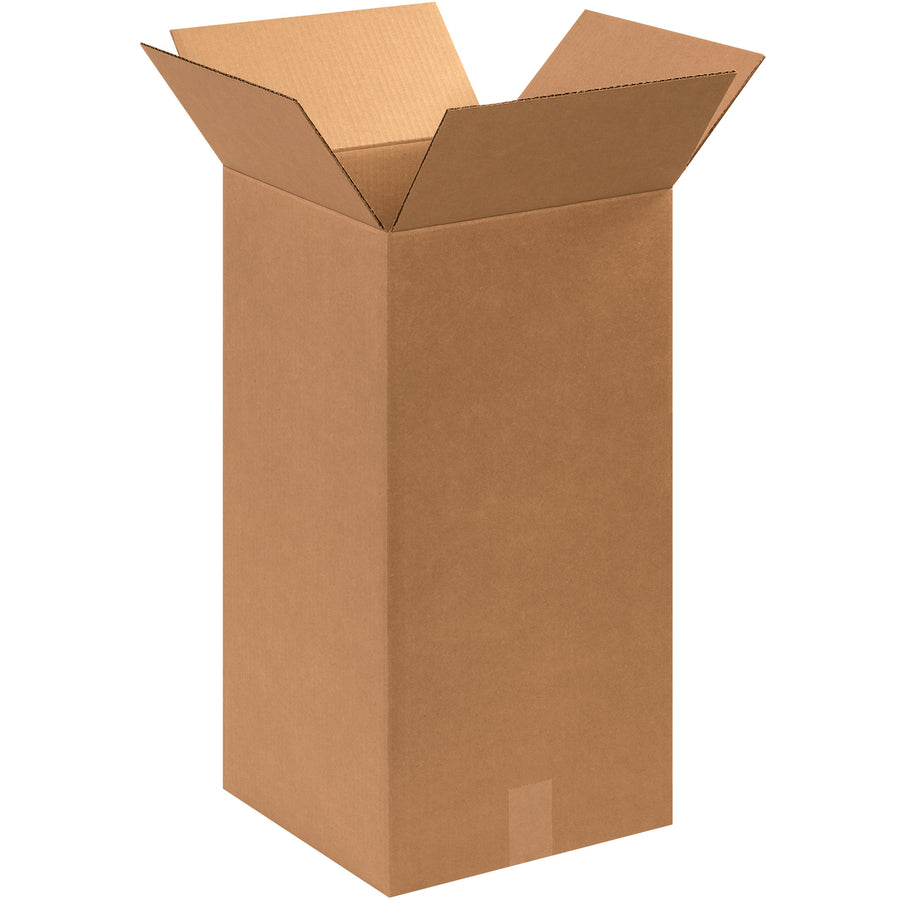
12 x 12 x 24 ECT-32 kraft end-load tall box route Use when the buyer needs the verified SKU 121224 path with a 12 inch footprint and a 24 inch side for tall or end-load shipping.
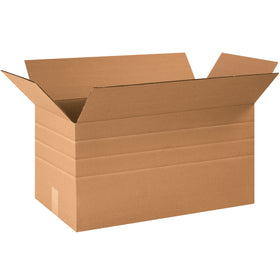
24 x 12 x 12 multi-depth kraft route Compare when the same dimension family works better as a long 24 inch carton with adjustable packed depths.
24 x 12 x 12 ECT-44 heavy-duty route Compare when packed weight, stacking, return handling, or rougher handling may require a stronger route in the rotated family.
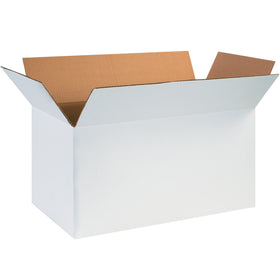
24 x 12 x 12 white bin-box storage route Compare when the buyer is solving parts storage, bin visibility, or warehouse picking rather than a routine outbound parcel.

Reorder and Bulk Quote Workflow

  1. Measure the protected item after cushioning, inserts, paperwork, labels, and closure allowance.
  2. Confirm whether the 24 inch side is acting as height, length, or a rotated orientation.
  3. Compare rotated, multi-depth, stronger, and nearby size families before standardizing.
  4. Check cube, dimensional weight, storage, pack labor, damage risk, return handling, and replenishment timing.
  5. Record approved route, substitute, monthly demand, destination, timing, and reorder owner.
  6. Use the reorder or bulk quote path once the route is approved for repeat buying.

Related Packrift Paths

Path Use it when...
12 x 12 x 24 boxes Use when the buyer wants the broader exact-size hub before narrowing to a repeat bulk route.
12 x 12 x 24 kraft boxes Use when kraft corrugated material and the exact 12 x 12 x 24 size are the main planning constraints.
12 x 12 x 24 vs 14 x 14 x 24 boxes Use when the product needs a 24 inch side but the footprint may need more room than 12 x 12 allows.
Box size finder Use when the item nearly fits but the buyer needs adjacent carton families before standardizing.
Shipping box sizes hub Use when the 12 x 12 x 24 route needs to be compared against broader box-size families.
Box sizes by dimension Use when buyers are searching by exact dimensions and need a clean path back to related size groups.
Corrugated boxes collection Use when the buyer wants the live corrugated category before inspecting a specific route.
Reorder packaging by SKU Use after the approved route, substitute, replenishment cadence, and reorder owner are documented.
Bulk quote Use when 12 x 12 x 24 boxes repeat, span facilities, or need a reviewed substitute route.

FAQ

What is a 12 x 12 x 24 box used for?

Use a 12 x 12 x 24 box when the protected item needs a 12 inch square footprint and a 24 inch side after cushioning, labels, paperwork, and closure clearance are included.

Should I choose 12 x 12 x 24 or 24 x 12 x 12 boxes?

Those dimensions can describe a similar carton family in different orientations. Choose the orientation that protects the product, fits the pack-station workflow, and supports label placement and stacking.

When should I compare ECT-32, ECT-44, or multi-depth routes?

Start with the verified 121224 ECT-32 route when standard corrugated strength fits the job, then compare ECT-44 or multi-depth paths when density, stacking, repeated returns, or variable packed heights matter.

When should I request a bulk quote?

Use a bulk quote when the same 12 x 12 x 24 route repeats monthly, supports several facilities, needs substitute rules, or belongs in a mixed-size replenishment plan.