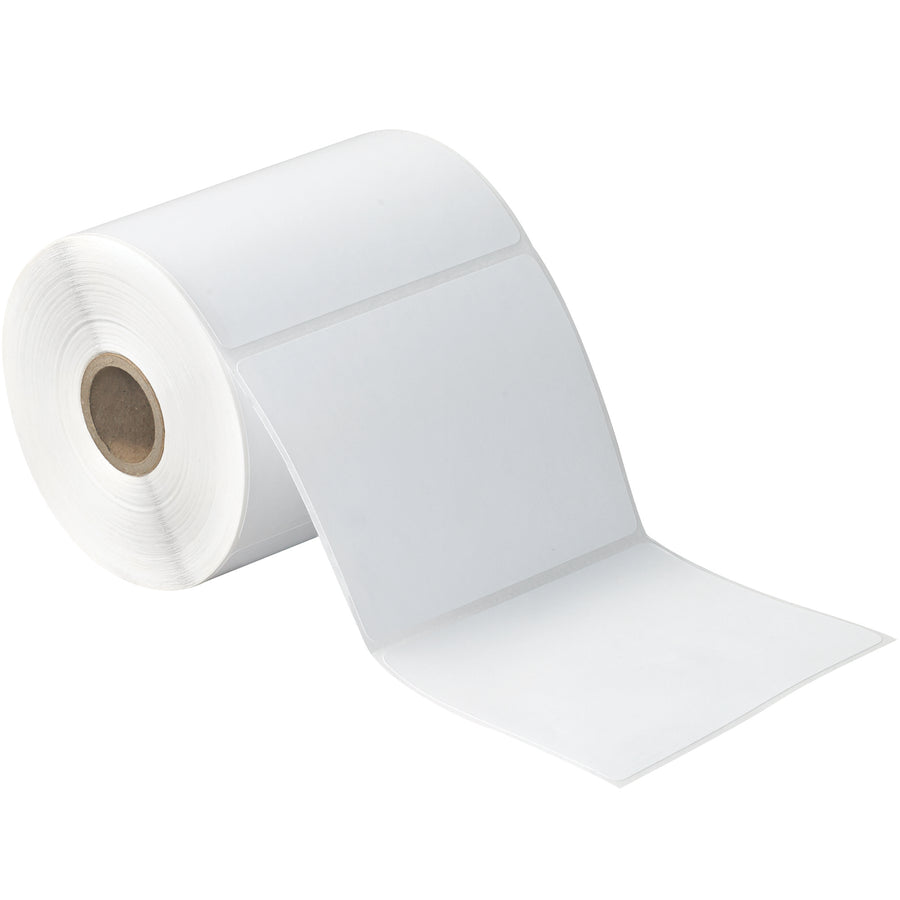
4 x 4 Thermal Labels

4 x 4 Thermal Labels

Direct answer: choose 4 x 4 thermal labels when the printed content, barcode, package face, and printer setup fit a square 4 inch by 4 inch label. Confirm direct-thermal material, printer compatibility, adhesive, roll or case path, nearby sizes, and repeat reorder route before standardizing.

4 x 4 Thermal Label Selection Formula

Best 4 x 4 thermal label route = label content + printer setup + material + adhesive + package surface + scan clearance + reorder rule.

The size is useful only when the barcode, text, and handling message fit cleanly and the label route matches the printer that will run it.

4 x 4 Thermal Label Fit and Printer Model

Model the label as a printer-and-workflow decision rather than a square-size match. The operating decision includes label design, scan clearance, direct-thermal material, roll path, printer model, adhesive, surface, handling environment, substitute size, and repeat replenishment.

  • Start with the actual label design: barcode, text size, logo, handling message, and scan margin.
  • Confirm printer model, roll core, wound direction, sensing method, and whether the route is direct thermal or thermal transfer.
  • Compare 4 x 4, 4 x 3, and 4 x 6 labels before locking the route.
  • Check package face, surface, adhesive, scan distance, and handling environment before approval.
  • Record substitute sizes and owner before turning the route into a repeat buy.

4 x 4 Thermal Label Use Cases

Use case Operating route Risk to avoid
Small shipping or handling label Confirm the 4 x 4 face has enough room for barcode, text, logo, and scan clearance. A label can print cleanly but still fail scanning when the design is crowded.
Desktop direct-thermal printer route Confirm printer model, roll core, wound direction, media sensing, and material before standardizing. Printer fit problems can appear only after the warehouse loads the roll.
Zebra-compatible workflow Document printer compatibility, label format, roll path, and reorder owner before routing repeat buys. Teams can mix direct thermal, thermal transfer, and desktop rolls when printer rules are not written down.
4 x 4 vs 4 x 6 decision Compare label area, carrier requirements, barcode readability, carton face, and printer setup. A 4 x 4 label may be efficient but too small for a carrier, barcode, or dense shipping layout.
Repeat replenishment Record approved size, material, adhesive, printer, substitute size, and monthly demand. A label program drifts when buyers reorder by memory instead of a documented route.

4 x 4 Thermal Label Decision Matrix

Buyer question Decision rule
Does the design fit 4 x 4? Use this route when barcode, text, logo, handling message, and scan margin fit cleanly in the square label area.
Is the printer route direct thermal? Confirm printer type, material, roll setup, and sensing method before approving a direct-thermal route.
Should the team compare 4 x 6? Compare 4 x 6 when carrier label layout, barcode readability, or dense shipping information needs more area.
Should the team compare 4 x 3? Compare 4 x 3 when the label can keep a 4 inch width but use less vertical space.
Will this repeat? Use reorder or bulk quote paths after size, material, printer rule, adhesive, substitute size, owner, and repeat demand are documented.

Packrift 4 x 4 Thermal Label Planning Paths

Use these as planning paths. Open the destination route or quote response to confirm ordering details before buying.

Path Use it when...
4 x 4 white thermal labels desktop-printing route Use when the program needs a 4 x 4 direct-thermal label route for desktop thermal printing.
4 x 4 direct thermal white labels Zebra-compatible route Use when printer compatibility, roll setup, and repeat label replenishment need to be documented.
4 x 3 white thermal labels comparison route Compare when the label can use less vertical space while keeping a 4 inch width.
4 x 4 labels Use when the buyer wants the broader 4 x 4 label family before narrowing to thermal material.
4 x 4 labels 500 pack Compare when pack quantity and replenishment cadence are the first constraint.
4 x 4 labels buying guide Use when material, adhesive, print method, and label use case need a broader review.
4 x 4 rectangle labels Use when the buyer is comparing the same square dimension across paper, thermal, and handling labels.
4 x 6 thermal labels Compare when the label needs more shipping-label area or carrier label compatibility.
4 x 6 thermal labels buying guide Use when the team is deciding between common 4 x 6 shipping labels and smaller 4 x 4 labels.
4 x 6 vs 4 x 4 thermal labels Use when label area, printer setup, carton face, and barcode readability are the main tradeoffs.
Thermal label size chart Use when a buyer needs to compare thermal label dimensions before choosing a size.
Thermal labels buying guide Use when material, printer type, adhesive, roll format, and use case need a general guide.
Direct thermal labels buying guide Use when the route should stay direct thermal and not thermal transfer.
Direct thermal vs thermal transfer labels Use when printer ribbon, label life, scuff exposure, and print method need to be compared.
White direct thermal labels buying guide Use when the buyer specifically needs white direct-thermal label material.
Zebra-compatible thermal labels Use when printer compatibility and roll setup are part of the buying decision.
Labels and tags guide Use when the label program spans shipping labels, inventory labels, tags, and warehouse markers.
Labels and tags collection Use when the buyer wants to browse related label and tag families.
Reorder packaging by SKU Use after size, material, printer, adhesive, roll or case path, owner, and repeat demand are documented.
Bulk quote Use when 4 x 4 thermal labels repeat across printers, facilities, teams, or monthly replenishment.

Reorder and Bulk Quote Workflow

  1. Confirm the printed label design after barcode, text, logo, handling message, and scan margin are included.
  2. Confirm printer model, roll core, wound direction, sensing method, and direct-thermal or thermal-transfer route.
  3. Compare 4 x 4, 4 x 3, and 4 x 6 labels if label area, carrier layout, or package face is close.
  4. Document material, adhesive, package surface, handling environment, substitute size, monthly demand, and reorder owner.
  5. Use reorder or bulk quote paths when the same label route repeats across printers, teams, facilities, or monthly replenishment.

Related Packrift Paths

FAQ

What are 4 x 4 thermal labels used for?

They are square thermal labels for shipping, handling, inventory, warehouse, or barcode workflows where a 4 inch by 4 inch label area fits the package and printer setup.

When should I choose 4 x 4 instead of 4 x 6 thermal labels?

Choose 4 x 4 when the package face, barcode, and text fit cleanly in a smaller square label. Compare 4 x 6 when carrier layouts, barcode readability, or label area need more room.

Do 4 x 4 thermal labels need ribbon?

Direct thermal labels do not use a ribbon, while thermal transfer labels do. Confirm the printer type and material route before standardizing a reorder path.

What printer details should I check before buying?

Check printer model, roll core, wound direction, sensing method, material type, adhesive, and the label design that will actually be printed.

What should I document before reordering this size?

Document the approved size, material, adhesive, printer model, roll or case path, substitute sizes, owner, and repeat demand before using reorder or bulk quote paths.