
6x6x24 ECT-32 Kraft Corrugated Boxes 25-Pack
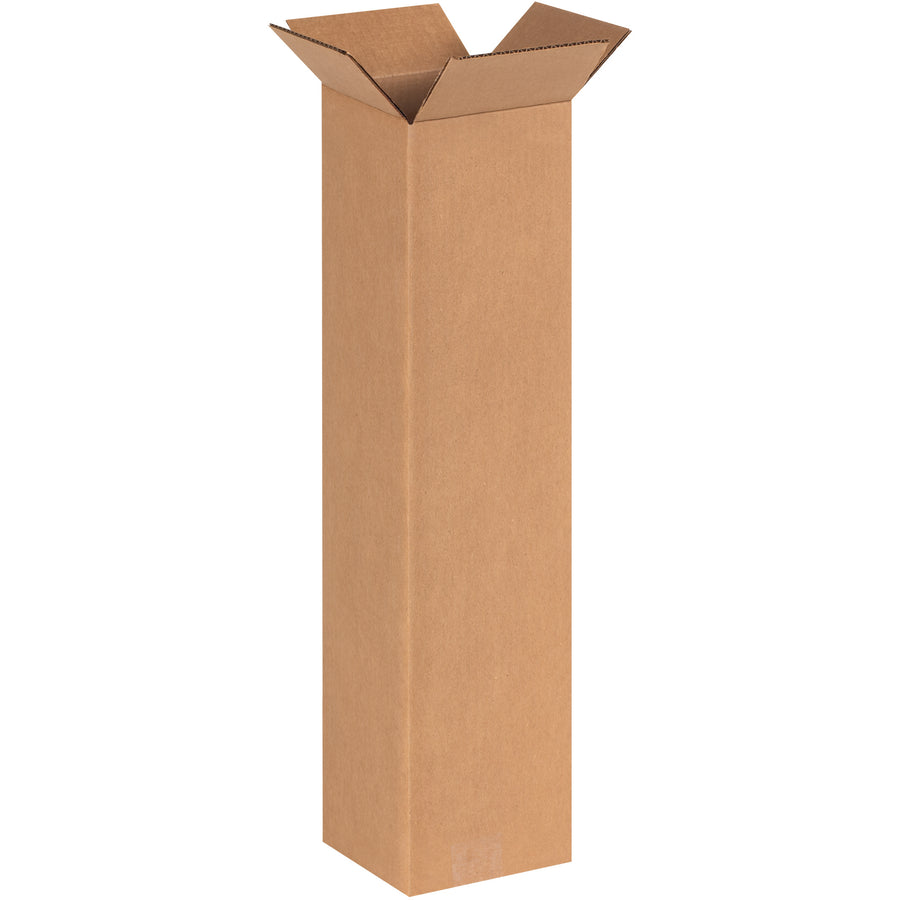
$32.86
/ bundle of 25$1.31 per box
Request bulk pricing
Ships from the nearest of 5 US warehouses · freight calculated at checkout
30-day returns on stock items · Return policy
Inside dimensions
6" × 6" × 24"
Board / material
ECT-32 Single Wall Corrugated
Color
Kraft
Freight class
Class 125

Specifications
| Inside dimensions | 6" × 6" × 24" (L × W × H) |
|---|---|
| Board / material | ECT-32 Single Wall Corrugated |
| Color | Kraft |
| Sold as | Bundle of 25 |
| Order in multiples of | 25 |
| Bundle weight | 14.68 lb |
| Outer carton (shipping) | 30.75 × 12.5 × 8.5 in |
| LTL freight class | Class 125 |
| GTIN | 812578002467 |
| SKU | 6624 |
About this item
SKU 6624 — 6" × 6" × 24", ECT-32 Single Wall Corrugated, Kraft. Sold as a bundle of 25, shipped from US warehouses.
The 6x6x24" ECT-32 Kraft Corrugated Boxes - Strong Tall Shipping Cartons is a corrugated shipping box for e-commerce orders, parts, samples, retail goods, returns, and warehouse shipments. Listed specs include inside dimensions 6" x 6" x 24"; kraft material; ECT-32; bundle of 25. Use it as a shipping carton, mailing box, storage box, or e-commerce shipper when the item fits the listed dimensions.
Ideal for shipping apparel, shoes, books, household goods, and everyday ecommerce orders. A sturdy, reliable choice for small-business, Etsy, and ecommerce shippers.
Ecommerce shipping boxes: Good fit for shipping apparel, shoes, books, household goods, small appliances, warehouse picks, and everyday ecommerce orders. These corrugated boxes help small businesses, ecommerce teams, and warehouse shippers match products to the right box size for everyday fulfillment.
Common questions
What does ECT-32 mean and why does it matter?
ECT-32 refers to Edge Crush Test rating of 32 pounds per inch. This single-wall corrugated strength rating ensures safe stacking in warehouses and reliable protection during freight transport, making it suitable for moderate-weight tall items without excess material cost.
Can these boxes replace mailing tubes?
Yes. The 6 x 6 x 24" dimensions and structural integrity make these boxes an effective alternative to mailing tubes for shipping rolled documents, posters, blueprints, and other cylindrical items, with better cost efficiency and easier automated sealing.
How does the end-loading design improve fulfillment speed?
End-loading allows operators to insert tall items vertically without tilting or maneuvering, reducing assembly time per box and minimizing damage risk. This design simplifies high-volume operations where speed and consistency directly impact labor productivity.
What's the freight advantage of using 6 x 6 x 24 boxes?
The narrow footprint (6" x 6") with vertical height maximizes pallet density when shipping multiple boxes, reducing dimensional weight charges on LTL shipments and improving freight spend efficiency compared to wider box formats for tall products.
Order support
Questions on specs or freight?
Send the SKU, quantity, and delivery ZIP and we will confirm specs, availability, and freight before you order.