11x13.5 Self-Seal Mailers

11x13.5 Self-Seal Mailers

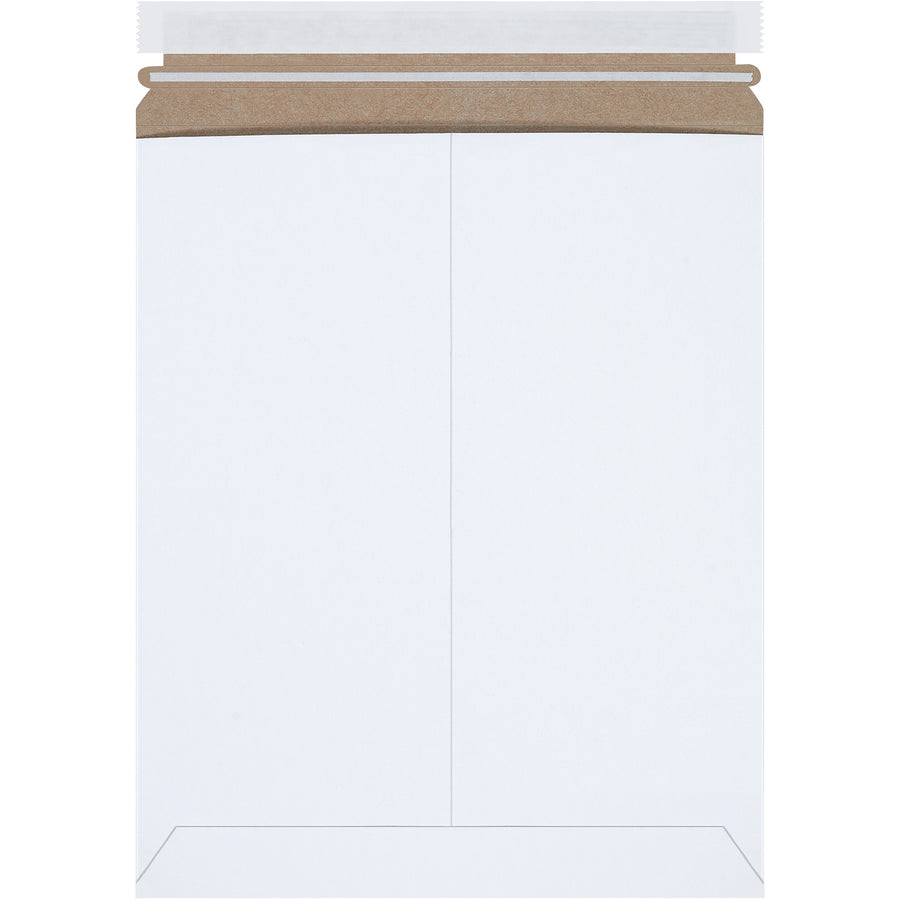
Direct answer: choose 11x13.5 self-seal mailers when a flat item needs more bend resistance than a flexible mailer and enough room for inserts, labels, closure, and edge protection. Compare chipboard, kraft StayFlats, tab-lock, nearby sizes, and poly alternatives before standardizing the route.

11x13.5 Self-Seal Mailer Selection Formula

Best 11x13.5 route = finished flat item + rigidity need + material route + closure style + nearby-size check + approved reorder path.

The route should be chosen by the finished shipment, not only the listed dimensions. Insert stack, bend risk, label face, closure room, pack speed, and return handling can change which mailer works best.

11x13.5 Self-Seal Mailer Planning Model

Model the page as a flat-mailer buying decision. The operating choice includes document fit, chipboard or kraft route, tab-lock or self-seal closure, rigidity, presentation, nearby sizes, substitute route, pack count, and repeat replenishment owner.

  • Start with the finished flat item after inserts, documents, backing, labels, and closure clearance are included.
  • Use chipboard or kraft mailers when bend resistance and flat presentation matter.
  • Compare flexible poly only when the item is soft or does not need a rigid flat route.
  • Compare 9.5x12.5, 10x13, 11x13.5, and 14.5x19 paths when the item is tight or has excess movement.
  • Document material, closure, pack count, substitute, owner, and demand before turning the route into a repeat buy.

11x13.5 Self-Seal Mailer Route Checks

Use case Operating route Risk to avoid
Documents and photos Use a rigid self-seal or chipboard route when the flat item needs bend resistance and clean presentation. A flexible mailer can bend the contents even when the length and width look right.
Catalogs, certificates, and inserts Check finished stack thickness, edge protection, closure room, and label face before approving 11x13.5. A close-fitting flat mailer can crush corners or create closure stress when the insert stack grows.
Kraft vs white presentation Use kraft when material appearance and durability fit the workflow; use white when presentation or label contrast matters. Choosing only by color can hide differences in closure, pack count, rigidity, or handling path.
Tab-lock vs self-seal closure Use self-seal for fast one-way packing; compare tab-lock when the workflow needs that closure style. A closure style that works on paper can slow the pack station if the team needs a different open-close workflow.
Recurring replenishment Record approved route, substitute size, closure style, material, pack count, facility, and reorder owner. Teams drift between 9.5x12.5, 10x13, 11x13.5, and 14.5x19 routes when substitute rules are informal.

11x13.5 Self-Seal Mailer Decision Matrix

Buyer question Decision rule
Does the item need rigidity? Use chipboard, kraft, or StayFlats-style routes when bend resistance and flat presentation matter.
Is 11x13.5 the right size? Use this route when the finished flat item fits with closure room and without excess movement.
Self-seal or tab-lock? Use self-seal for fast one-way packing; compare tab-lock when the workflow needs that closure style.
Should poly be compared? Compare poly only when the item is soft or flexible and does not require bend resistance.
Will this repeat? Use reorder or bulk quote paths after approved size, material, closure, pack count, substitute, owner, and demand are documented.

Packrift 11x13.5 Self-Seal Mailer Planning Paths

Use these as inspection paths. Open the destination route or quote response to confirm ordering details before buying.

Path Use it when...
11x13.5 white chipboard self-seal mailer route Use when a flat rigid white mailer supports documents, photos, certificates, inserts, or presentation-sensitive flats.
11x13.5 kraft self-seal StayFlats Plus mailer route Use when kraft presentation, puncture resistance, and a rigid flat-mailer workflow fit the shipment.
11x13.5 kraft StayFlats tab-lock mailer route Use when tab-lock closure, rigid protection, and kraft mailer handling are preferred over a self-seal route.
11x13.5 white chipboard self-seal 25-pack route Use when the team needs a smaller pack for approval, low-volume use, or a trial before standardizing.
13.5x11 white chipboard self-seal mailer orientation route Use when the same dimension family is better documented or packed as 13.5x11 for loading, label face, or storage.
Mailers and envelopes collection Use when the buyer still needs to compare mailers, envelopes, rigid mailers, and bubble routes.
Poly mailers collection Use only when the buyer decides the shipment belongs in flexible poly rather than a rigid self-seal mailer.
Mailers guide Use when format, closure, rigidity, and protection need broader context before choosing the route.
Mailer sizes by dimension Use when a nearby flat mailer size may fit better than 11x13.5.
Mailer vs box selector Use when the shipment may need a carton instead of a rigid flat mailer.
Literature mailer size guide Use when the shipment is a flat document, book, catalog, photo, or presentation-sensitive insert.
Literature mailer vs bubble mailer Use when the buyer is deciding between rigid flat protection and cushioning.
Rigid mailers for shipping hardcover books Use when a book, document, or rigid item needs edge and bend protection.
9.5x12.5 mailers Use when the item can tighten to a smaller flat-mailer route.
10x13 mailers Use when the item needs a close nearby route before stepping to 11x13.5.
14.5x19 mailers Use when the insert, flat product, or paperwork needs a larger mailer route.
Reorder packaging by SKU Use after approved route, closure, material, pack count, substitute, owner, and repeat demand are documented.
Bulk quote Use when the same self-seal mailer route repeats across documents, teams, stores, or monthly replenishment.

Reorder and Bulk Quote Workflow

  1. Measure the finished flat item after inserts, backing, documents, labels, and closure clearance.
  2. Decide whether the shipment needs chipboard, kraft, tab-lock, self-seal, or a flexible poly alternative.
  3. Compare nearby sizes if one side is tight or the mailer leaves avoidable movement.
  4. Document approved route, substitute size, material, closure style, pack count, facility, and reorder owner.
  5. Use reorder or bulk quote paths when the same mailer repeats across products, documents, stores, or replenishment cycles.

Related Packrift Paths

FAQ

What are 11x13.5 self-seal mailers used for?

Use 11x13.5 self-seal mailers for flat items such as documents, certificates, photos, catalogs, inserts, books, and presentation-sensitive shipments that need more rigidity than a flexible mailer.

Should I choose chipboard, kraft, or poly for this size?

Choose chipboard or kraft self-seal mailers when bend resistance and flat presentation matter. Compare poly only when the item is soft, flexible, and does not need rigid protection.

When should I compare 9.5x12.5 or 10x13 mailers?

Compare smaller routes when the item fits with closure room and does not need the larger 11x13.5 footprint. A tighter route can reduce movement and storage waste.

What should purchasing document before reordering?

Document approved size, orientation, material, closure, pack count, substitute route, facility, owner, and repeat demand before using reorder or bulk quote paths.