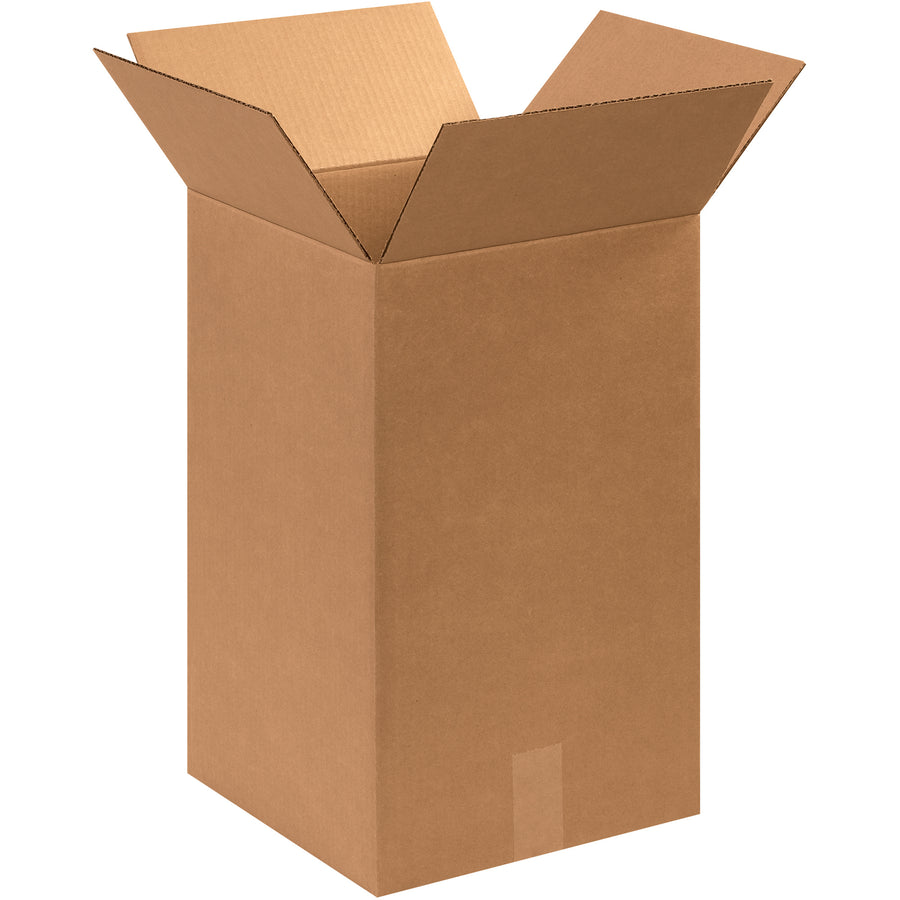
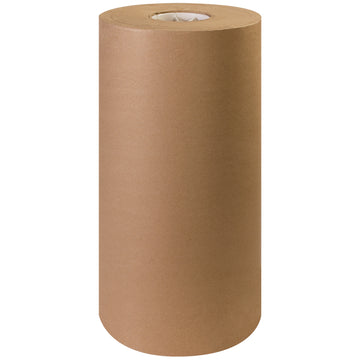
12 x 12 x 20 Boxes

12 x 12 x 20 Boxes

Direct answer: choose 12 x 12 x 20 boxes when the packed item needs a square 12 x 12 footprint with a 20 inch side after cushioning, inserts, documents, labels, and closure material. Compare 12 x 12 x 18, 12 x 12 x 24, and 20 x 12 x 12 routes before standardizing so the carton is not carrying unnecessary cube.

12 x 12 x 20 Box Fit Framework

Check Use 12 x 12 x 20 when... Compare another route when...
Footprint The item needs a 12 by 12 inch base after inner protection and documents are included. A 14 x 14 x 20 or 16 x 16 x 20 route gives needed width, or a smaller 12 x 12 route removes unused cube.
20 inch side The finished pack needs the 20 inch side for height, length, or upright storage. 12 x 12 x 18 still leaves closure room, or 12 x 12 x 24 is needed for more clearance.
Orientation The box should load as a 12 x 12 footprint with a taller side. 20 x 12 x 12 creates a better lengthwise pack-out or label workflow.
Strength Routine ECT-32 kraft corrugated strength fits the handling path and stacking plan. Heavier handling, stacking, or damage risk pushes the decision toward a stronger nearby route.
Repeat buying The size repeats enough to document approved route, substitute rule, owner, and reorder timing. The order combines multiple carton sizes and needs a reviewed quote path.

12 x 12 x 20 Dimensional Weight Model

A 12 x 12 x 20 carton has 2880 cubic inches. Use that cube as a planning check before locking the route.

Planning divisor Dimensional-weight check What to inspect
139 divisor 2,880 / 139 rounds up to 21 lb Check whether 12 x 12 x 18 or a rotated 20 x 12 x 12 route lowers cube without increasing damage risk.
166 divisor 2,880 / 166 rounds up to 18 lb Compare actual packed weight, protection, closure room, and carrier scenario before standardizing.

12 x 12 x 20 Route Checks

  • Fit: confirm the packed item fits the square footprint after cushioning and documents are included.
  • Height: decide whether the 20 inch side is needed or whether 18 inches is enough.
  • Orientation: compare 20 x 12 x 12 when the shipment packs better lengthwise.
  • Strength: check routine ECT-32 against stack height, handling frequency, and damage risk.
  • Procurement: document approved route, substitute size, replenishment cadence, owner, and quote timing.

12 x 12 x 20 Box Decision Matrix

Buying question Likely path Confirm before standardizing
I need the exact 12 x 12 x 20 route. 12 x 12 x 20 ECT-32 kraft route Finished fit, ECT requirement, closure room, label placement, and substitute size.
The 20 inch side should load lengthwise. 20 x 12 x 12 ECT-32 route Pack-station orientation, label workflow, product stability, and cube tradeoff.
I need more strength in the rotated family. 20 x 12 x 12 ECT-48 double-wall route Handling risk, stacking, item weight, and whether the stronger route is necessary.
I may be carrying excess cube. 12 x 12 x 18 or 12 x 12 x 16 Closure room, protection, item movement, and dimensional-weight exposure.
I need more clearance. 12 x 12 x 24, 14 x 14 x 20, or 16 x 16 x 20 Width, height, cushioning, stack plan, and mixed carton buying needs.

Packrift 12 x 12 x 20 Box Route Paths

Use these as inspection paths, not as current price, inventory, or exact-substitute claims. Open the destination route to confirm current product details before ordering.

Route Best fit
12 x 12 x 20 ECT-32 kraft corrugated boxes Use as the exact 12 x 12 x 20 inspection route when the shipment needs a square 12 x 12 footprint and 20 inch side.
20 x 12 x 12 ECT-32 kraft corrugated boxes Compare when rotating the same dimension family makes the 20 inch side a length rather than height.
20 x 12 x 12 ECT-48 double wall corrugated boxes Compare when the same rotated footprint needs a stronger double-wall route for heavier handling or stacking.
12 x 12 x 18 boxes Compare when two inches less height still leaves closure room after cushioning and documents.
12 x 12 x 24 boxes Compare when the item needs a taller 12 x 12 route or more top clearance.
12 x 12 x 16 boxes Compare when a shorter box lowers unused cube without compressing the packed item.
12 x 12 x 12 boxes Compare when the item can move into a cube and the 20 inch side is mostly carrying air.
14 x 14 x 20 boxes Compare when the shipment needs the 20 inch side but requires a wider footprint.
16 x 16 x 20 boxes Compare when the 20 inch side is right but the product or cushioning needs a larger square footprint.
Box size calculator Use when the product dimensions are known but the carton route still needs sizing work.
Corrugated box size chart Use to compare nearby carton dimensions before committing to a 12 x 12 x 20 route.
ECT-32 kraft boxes size chart Use when board strength and routine parcel handling are part of the decision.
Dimensional weight divisor reference Use when the box cube needs to be checked against billable-weight planning.
Exact spec procurement center Use after the carton size, strength, substitute rule, and recurring buying notes are ready.
Reorder packaging by SKU Use after the approved carton path and substitute rules are documented.
Bulk quote Use when this box belongs in recurring replenishment, mixed carton buying, or multi-location planning.

Reorder and Bulk Quote Workflow

  1. Measure the finished packed item after cushioning, inserts, documents, labels, and closure material are included.
  2. Confirm whether the 20 inch side should act as height, length, or width in the pack station workflow.
  3. Compare 12 x 12 x 18, 12 x 12 x 24, 20 x 12 x 12, and wider 20 inch routes before standardizing.
  4. Record approved route, ECT requirement, substitute size, monthly demand, destination, and owner.
  5. Use reorder or bulk quote paths when the same carton repeats across SKUs, teams, or facilities.

Related Packrift Paths

FAQ

What are 12 x 12 x 20 boxes used for?

Use 12 x 12 x 20 boxes when the packed item needs a square 12 x 12 footprint and about a 20 inch side after cushioning, inserts, paperwork, labels, and closure are included.

What is the dimensional weight of a 12 x 12 x 20 box?

A 12 x 12 x 20 box has 2,880 cubic inches. With a 139 divisor it rounds up to 21 lb; with a 166 divisor it rounds up to 18 lb.

Should I choose 12 x 12 x 20 or 20 x 12 x 12?

Choose the orientation that creates the cleanest pack-out. A 12 x 12 x 20 route works when the 20 inch side should act as height, while 20 x 12 x 12 can work better when the same dimension family should load lengthwise.

When should I compare 12 x 12 x 18 or 12 x 12 x 24 boxes?

Compare 12 x 12 x 18 when the packed item can lose two inches of height, and compare 12 x 12 x 24 when the product needs more top clearance or protection space.

When should I use a bulk quote path?

Use a bulk quote path when the size repeats, several nearby sizes are being bought together, or multiple teams or facilities need the same corrugated plan.