
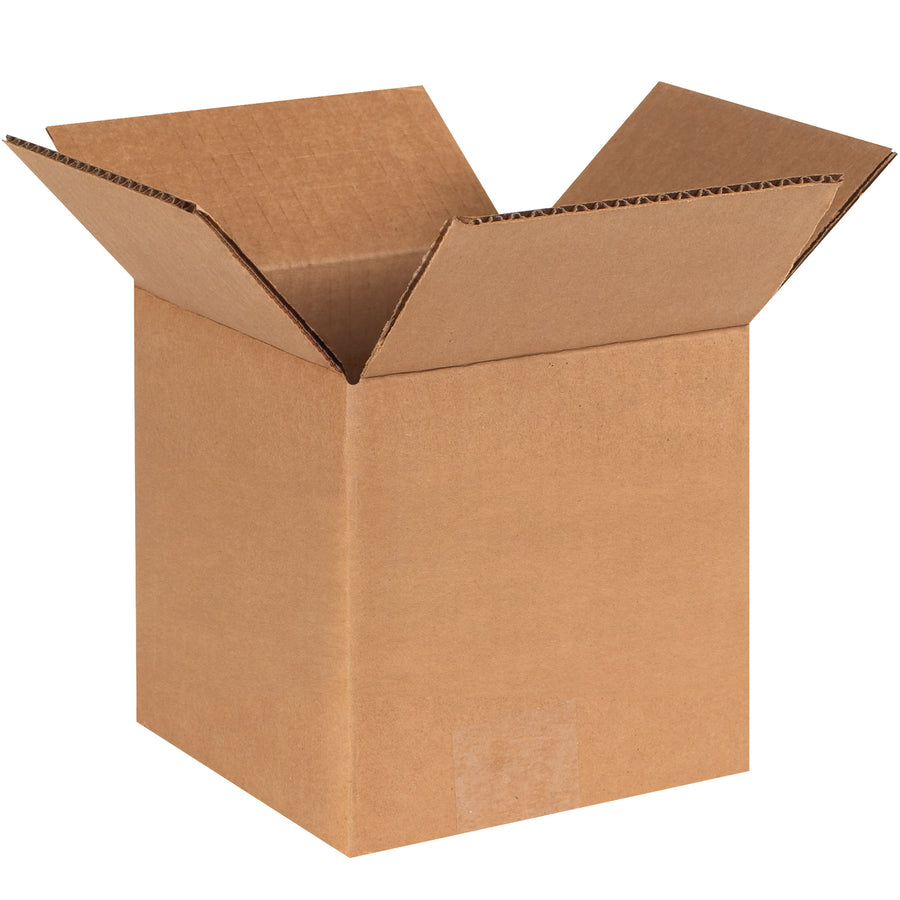
6x6x6 ECT-32 Kraft Corrugated Cube Shipping Box 25-Pack
$12.81
/ bundle of 25$0.51 per box
Request bulk pricing
Ships from the nearest of 5 US warehouses · freight calculated at checkout
30-day returns on stock items · Return policy
Inside dimensions
6" × 6" × 6"
Board / material
ECT-32 Single Wall Corrugated
Color
Kraft
Freight class
Class 125

Specifications
| Inside dimensions | 6" × 6" × 6" (L × W × H) |
|---|---|
| Board / material | ECT-32 Single Wall Corrugated |
| Color | Kraft |
| Sold as | Bundle of 25 |
| Order in multiples of | 25 |
| Bundle weight | 5.46 lb |
| Outer carton (shipping) | 12.5 × 12.25 × 8.0 in |
| LTL freight class | Class 125 |
| GTIN | 812578007219 |
| SKU | 666 |
About this item
SKU 666 — 6" × 6" × 6", ECT-32 Single Wall Corrugated, Kraft. Sold as a bundle of 25, shipped from US warehouses.
The 6x6x6 ECT-32 Kraft Corrugated Cube Box - Ideal for Round Items is a cube-style corrugated shipping box for small parts, boxed retail goods, samples, mugs, jars, and compact e-commerce orders. Listed specs include inside dimensions 6" x 6" x 6"; kraft material; ECT-32; bundle of 25. Use it as a shipping carton, mailing box, storage box, or e-commerce shipper when the item fits the listed dimensions.
Ideal for shipping apparel, books, mugs, accessories, gifts, and small fragile items. A sturdy, reliable choice for small-business, Etsy, and ecommerce shippers.
Common questions
What does ECT-32 mean and why does it matter for my shipping operation?
ECT (Edge Crush Test) measures corrugated strength in pounds per linear inch. ECT-32 boxes withstand 32 lbs of pressure per inch of edge, providing reliable stacking for multiple cartons on pallets and in transit. This rating is ideal for lightweight to medium-weight items and typical small-parcel volumes where cost-per-box and freight efficiency matter most.
How many of these 6x6x6 boxes fit on a standard pallet?
Flat-packed bundles of 25 boxes are highly space-efficient. A single pallet can hold approximately 90 - 120 bundles (2,250 - 3,000 assembled boxes), depending on pallet configuration and weight limits. Check with your carrier for exact freight class and dimensional weight pricing for your route.
Can I use these for heavy items or will they crush?
ECT-32 is designed for light-to-moderate weight items. For heavy products or multiple-box stacks in warehouse conditions, verify your item weight does not exceed the combined stacking strength of the cartons used. If shipping weight exceeds 20 lbs per box or stacking more than 4 - 5 boxes high, consider upgrading to ECT-44 or double-wall corrugated for added protection.
Are these boxes suitable for customer-facing shipments or do I need to print a label?
Kraft brown corrugated is classic, professional, and widely accepted for B2B and e-commerce shipments. The surface is ideal for direct thermal or inkjet label printing, branding, and shipping label application. No additional finishing required, ship as-is or customize with your company logo or product messaging.
Order support
Questions on specs or freight?
Send the SKU, quantity, and delivery ZIP and we will confirm specs, availability, and freight before you order.