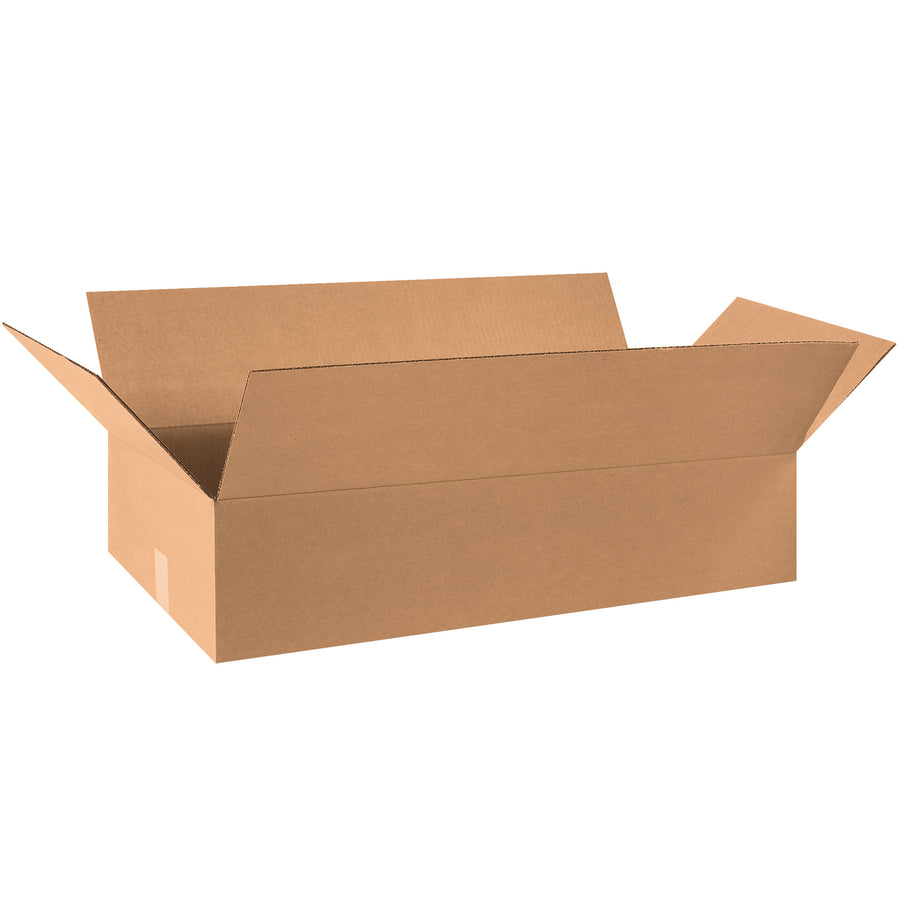
31 x 16 x 9 Boxes

31 x 16 x 9 Boxes

Direct answer: choose 31 x 16 x 9 boxes when the finished pack-out needs a long kraft corrugated carton with a 31 inch side, a 16 inch side, and a low 9 inch profile. Confirm cushion, closure, ECT-32 strength, cube, nearby substitutes, and repeat reorder path before standardizing.

31 x 16 x 9 Box Selection Formula

Best 31 x 16 x 9 route = finished item dimensions + long-side clearance + cushion + low-profile control + ECT-32 strength + cube exposure + reorder rule.

The size is useful only when the item needs the 31 inch side, stays controlled inside the carton, and does not fit better in a shorter, wider, or slightly taller route.

31 x 16 x 9 Box Fit and Handling Model

Model the box as a long-carton planning route rather than a generic size match. The operating decision includes item length, 16 inch side clearance, 9 inch height, closure, label face, cushioning, ECT rating, empty space, carrier handling, dimensional weight, and repeat replenishment.

  • Start with the finished pack-out after wrap, cushion, inserts, dividers, documents, labels, and closure clearance.
  • Confirm that the 31 inch side is needed after end protection and pack-station handling are included.
  • Compare 31 x 16 x 9, 29 x 17 x 9, and 28 x 16 x 10 before locking the route.
  • Check whether the low 9 inch profile affects shelf flow, pallet pattern, label face, or carton presentation.
  • Record substitute sizes and owner before turning the route into a repeat buy.

31 x 16 x 9 Box Use Cases

Use case Operating route Risk to avoid
Long flat item Confirm the finished item needs the 31 inch side, then verify cushion, closure, label face, and corner control. A long low carton can leave the item sliding if the pack method does not control the ends.
Bundle or kit with one long component Measure the combined kit after wrap, dividers, documents, and void-control method before approving the carton. A kit can rotate or stack unevenly when the long part and smaller parts are not fixed in one pack method.
Flat-pack fulfillment route Check whether the carton must preserve a low 9 inch profile for shelf, pack-station, or carrier handling rules. A taller substitute may work physically while changing pallet pattern, handling, or carton presentation.
Nearby-size comparison Compare 31 x 16 x 9, 29 x 17 x 9, and 28 x 16 x 10 before standardizing the route. Teams can overbuy a long carton when a slightly shorter or taller route protects the item with less cube.
Repeat replenishment Record approved route, substitute sizes, ECT rule, monthly demand, and reorder owner. Teams drift between 31, 29, and 28 inch routes when substitute rules are not written down.

31 x 16 x 9 Box Decision Matrix

Buyer question Decision rule
Does the item need the 31 inch side? Use this route when the packed item, cushion, documents, and closure clearance still need the long side.
Is the 16 inch side right? Compare the 29 x 17 x 9 family when the item can trade a little length for a wider side.
Is the 9 inch profile right? Compare the 28 x 16 x 10 family when the item can shorten and needs slightly more height for cushion or control.
Is standard single-wall enough? Check packed weight, stacking, corners, puncture risk, and handling path before approving the ECT-32 route.
Will this repeat? Use reorder or bulk quote paths after size, board-strength rule, substitute route, pack method, owner, and repeat demand are documented.

Packrift 31 x 16 x 9 Box Planning Paths

Use these as planning paths. Open the destination route or quote response to confirm ordering details before buying.

Path Use it when...
31 x 16 x 9 ECT-32 kraft flat-ship carton route Use when the packed item needs the 31 inch side, a 16 inch width, and a low 9 inch profile.
29 x 17 x 9 ECT-32 kraft carton comparison route Compare when the 31 inch side can tighten and the item can use a slightly wider 17 inch side.
28 x 16 x 10 ECT-32 kraft carton comparison route Compare when the item can lose length, keep the 16 inch width, and gain a little more height.
31 x 16 x 9 boxes 10 pack Use when the buyer wants the same size family filtered to a 10-pack planning path.
ECT-32 31 x 16 x 9 boxes Use when the route must stay in the ECT-32 strength family.
Kraft corrugated 31 x 16 x 9 boxes Use when kraft corrugated material is a named buying requirement.
29 x 17 x 9 boxes Compare when a shorter length and wider side may reduce empty space or improve handling.
29 x 17 x 9 boxes 15 pack Compare when the buyer wants a nearby 15-pack path for the 29 x 17 x 9 family.
ECT-32 29 x 17 x 9 boxes Compare when the substitute route must stay in the ECT-32 family.
Kraft corrugated 29 x 17 x 9 boxes Compare when a nearby kraft corrugated route should be documented as a substitute.
28 x 16 x 10 boxes Compare when the 31 inch side can shorten but the item needs a little more height.
28 x 16 x 10 boxes 20 pack Compare when the buying team wants the nearby 20-pack route.
ECT-32 28 x 16 x 10 boxes Compare when strength family must remain consistent across a substitute path.
Kraft corrugated 28 x 16 x 10 boxes Compare when kraft corrugated material is required and the item can use the shorter route.
Box size calculator Use when item dimensions are known and nearby carton families need a fast comparison.
Box sizes by dimension Use when the buyer wants to scan dimension families before choosing a route.
Corrugated box size chart Use when size families, length-width-height notation, and comparison logic need a broader guide.
Popular shipping box sizes and what fits Use when the buyer needs practical fit examples before standardizing a carton family.
Shipping box sizes hub Use when multiple box families need to be compared from one planning hub.
Corrugated boxes guide Use when board strength, wall construction, closure, and handling context need a broader check.
Kraft corrugated boxes guide Use when material, board family, and kraft carton requirements drive the choice.
Corrugated boxes collection Use when the buyer wants to compare this long-carton route with other corrugated box families.
Reorder packaging by SKU Use after size, substitute route, board-strength rule, owner, and repeat demand are documented.
Bulk quote Use when 31 x 16 x 9 boxes repeat across products, facilities, kits, or monthly replenishment.

Reorder and Bulk Quote Workflow

  1. Measure the finished packed item after wrap, cushion, labels, documents, and closure clearance.
  2. Confirm the 31 inch side, 16 inch side, and 9 inch profile before approving the route.
  3. Compare 29 x 17 x 9 and 28 x 16 x 10 if one side is tight or the carton leaves avoidable empty space.
  4. Check ECT-32 fit against packed weight, handling risk, stacking, corners, and return handling.
  5. Document approved route, substitute sizes, board-strength rule, pack method, monthly demand, and reorder owner.
  6. Use reorder or bulk quote paths when the same route repeats across products, teams, facilities, or monthly replenishment.

Related Packrift Paths

FAQ

What are 31 x 16 x 9 boxes used for?

They are corrugated cartons for long, relatively low-profile items, kits, or components that need a 31 inch side, a 16 inch side, and about 9 inches on the third side after cushioning and closure are included.

When should I compare 29 x 17 x 9 boxes?

Compare 29 x 17 x 9 boxes when the item can use a shorter long side and a slightly wider middle side without hurting protection, handling, or presentation.

When should I compare 28 x 16 x 10 boxes?

Compare 28 x 16 x 10 boxes when the item can lose length, keep the 16 inch side, and use a little more height for cushion or packed-item control.

Is ECT-32 enough for 31 x 16 x 9 boxes?

ECT-32 is a standard single-wall planning route for many carton programs, but packed weight, stacking, item corners, handling path, and return risk still need to be checked before approval.

What should I document before reordering this size?

Document the approved dimension route, substitute sizes, board-strength rule, pack method, owner, facility, and repeat demand before using reorder or bulk quote paths.